End-To-End Lubrication Solutions For The Steel Industry
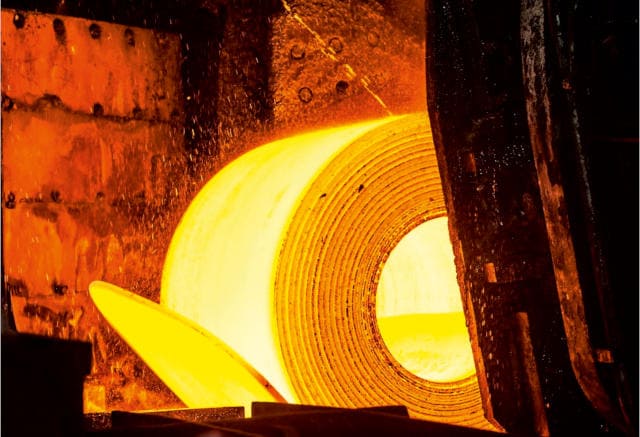 Steel production is not just the backbone of modern infrastructure; it’s also one of the most demanding industrial processes, where every step involves high mechanical loads, extreme temperatures, contamination, and constant pressure to optimize output while minimizing downtime.
In such a high-stress environment, lubrication plays a critical role. It’s not merely about keeping machines running; it’s about protecting assets, improving safety, enhancing energy efficiency, and ultimately driving profitability. From the intense heat of rotary kilns in sponge iron units to the precise requirements of continuous casting machines and the high-speed demands of rolling mills, the choice of lubricant can influence every-thing from component longevity to operational stability.
The Role of Lubrication Across the Steel Value Chain
Each stage of steel manufacturing presents its own unique set of challenges. A one-size- fits-all approach doesn’t work. The lubrication strategy needs to be nuanced, tailored, and responsive to both the application and its environment.
1. Sponge Iron & Parallelization
Rotary kilns and slip seal applications demand greases that can endure extreme temperatures and abrasive environments. Here, high-viscosity, wear-resistant greases are essential to prevent component degradation and gear failure. Advanced formulations provide robust protective films, reducing wear and extending re-lubrication intervals.
2. Sinter Plants & Blast Furnaces
Open gears, rotary mixers, and skip cars operate under intermittent loads and temperature shocks. In these areas, graphite-enriched greases and aluminium complex thickeners offer the dual benefits of thermal stability and shock load resistance. Equipment like hydraulic mud guns and drill chains also benefits from high-load greases that remain pump able across varying ambient conditions.
3. Continuous Casting Machines (CCM)
Water ingress and high loads are the primary challenges here. The greases used must be water-resistant, shear-stable, and capable of maintaining consistency under constant stress. Bearings in withdrawal sections, turrets, and roller tables require long-life EP (Extreme Pressure) greases with enhanced corrosion protection.
4. Hot & Cold Rolling Mills
The rolling stage demands precision and resilience. Work roll bearings, chokes, and drive shafts undergo continuous stress at high speeds and elevated temperatures. Calcium sulphate and polyurethane greases have become reliable solutions for these areas due to their mechanical stability, water washout resistance, and load-handling capabilities.
5. Auxiliary Systems and Finishing Lines
Beyond the core processes, support equipment such as cooling beds, cranes, fans, re-heating furnaces, and pickling lines requires greases suited to intermittent operation, chemical exposure, or fluctuating temperatures. Multipurpose greases that combine anti-wear, anti-corrosion, and thermal stability properties serve these needs well.
Lubricants for Real-World Demands
Today’s lubricants must do more than reduce friction. They must reduce maintenance frequency, optimize energy consumption, resist contamination, and ensure machine availability even under unpredictable conditions. This demands an in-depth understanding of tribology, metallurgy, and plant operations. Lubricant manufacturers working closely with steel plants are now offering:
- Tailored solutions based on component-level assessments
- Field-tested performance data under actual plant conditions
- Support for centralized lubrication systems and automated grease lines
- Problem-solving partnerships beyond the product — extending to training, audits, and monitoring
Lubrication and the Shift Towards Sustainable Steel making
As the global steel industry moves toward recarbonization and clean-er production, lubricants are also evolving. There is a growing shift toward biodegradable and low-toxicity formulations that meet performance standards without compromising environmental responsibility. Greases with longer service life not only reduce waste but also lower overall lubricant consumption, helping plants meet both economic and ESG goals.
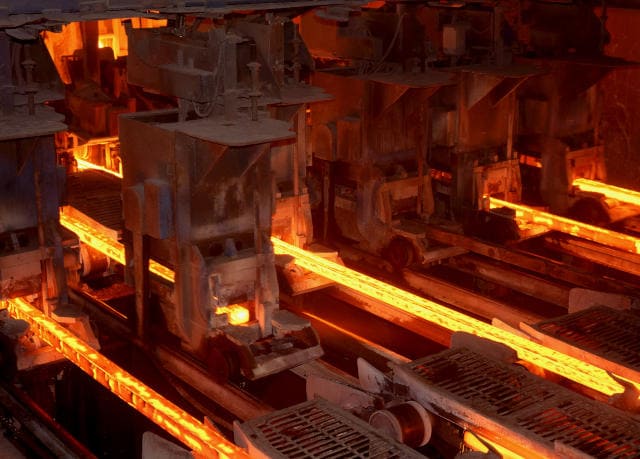 Eco-conscious lubrication strategies now focus on:
- Minimizing lubricant leakage and run-off
- Using formulations with renewable or non-toxic base oils
- Enhancing energy efficiency through friction reduction
- Lowering emissions associated with frequent lubricant replacement
Lubrication technology providers have increasingly evolved from being mere suppliers to becoming technical partners for the steel industry. Modern lubrication solutions now encompass a wide range of applications, including open gears, slip seals, bearings, and high-performance spray systems.
Beyond product selection, effective lubrication management involves on-site collaboration with steel plants to optimize lubrication schedules, analysis root causes of equipment failures, and implement maintenance strategies aimed at reducing downtime and operational costs. This application-driven approach has helped establish certain lubricant technologies as benchmarks across multiple steel facilities. Although lubrication often operates in the background of steel manufacturing, its influence on plant performance is substantial. It plays a critical role in equipment reliability, safety, energy efficiency, and sustainability. As steel plants continue to modernise and operate under increasing performance and environmental pressures, the adoption of intelligent, adaptable lubrication strategies is becoming an essential component of long-term operational excellence.
