BPCL to Boost Kochi Refinery Capacity to 17 MMTPA in Petrochemical Push
BPCL outlines a Kochi refinery expansion and petrochemical investment, alongside infrastructure upgrades.
Mumbai: Bharat Petroleum Corporation Limited (BPCL) has announced major expansion plans to increase the refining capacity of its Kochi Refinery from 15.5 MMTPA to 17 MMTPA (Million Metric Tonnes Per Annum). Addressing shareholders at the company’s 73rd Annual General Meeting (AGM), Chairman and Managing Director Sanjay Khanna stated that this capacity expansion, combined with the ongoing Polypropylene project, will significantly deepen refinery-petrochemical integration and expand BPCL’s portfolio of higher-value downstream products.
The expansion comes on the back of stellar operational performance across BPCL’s refining network. During FY 2025–26, BPCL achieved its highest-ever crude throughput of 41.2 MMT, operating at a remarkable 116.6% capacity utilization. The state-owned energy major also reported a Gross Refining Margin (GRM) of $11.74 per barrel, the highest among Indian public-sector oil marketing companies (OMCs), driven by asset reliability, disciplined operations, and flexible crude sourcing.
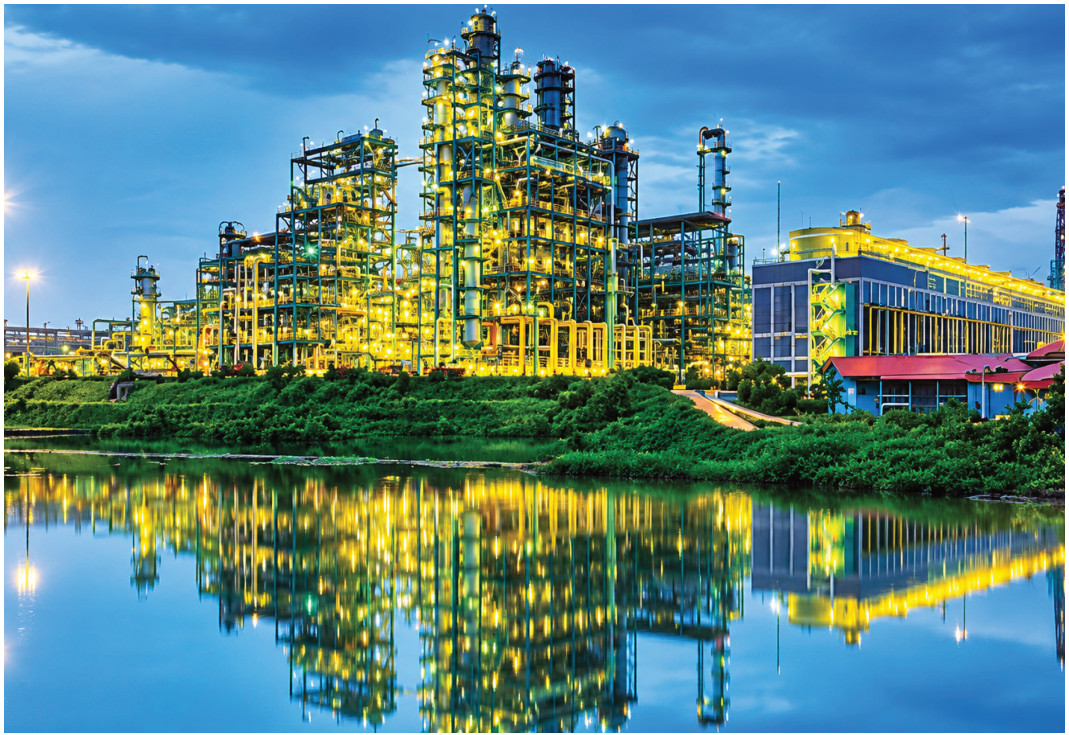
These developments form part of BPCL’s overarching Project Aspire, a five-year strategic growth program designed to reinforce core refining, marketing, and upstream assets while accelerating investments in petrochemicals, natural gas, green energy, non-fuel verticals, and digital transformations. To execute these initiatives, BPCL deployed a consolidated capital expenditure of ₹21,372 crore in FY 2025–26.
In addition to Kochi, BPCL is advancing major infrastructure upgrades across its other refining facilities:
- Bina Refinery (Madhya Pradesh): Capacity is being expanded from 7.8 MMTPA to over 11 MMTPA, integrated with an ethylene cracker and downstream petrochemical units to create a central Indian energy hub.
- Mumbai Refinery: A ₹14,000 crore Petro Resid Fluidized Catalytic Cracker (PRFCC) project is underway to replace two aging process units, enabling the refinery to process cheaper, high-sulphur crude while converting low-value heavy residue into high-margin products.
With these integrated projects, BPCL aims to bolster India’s domestic energy security while optimizing refinery yields through advanced petrochemical integration.
Keep reading