Lube-Tips
Determining Additive Levels … The most important aspect of determining additive levels is having an overall understanding of the state of the fluid. If there are unanswered questions with the…
Determining Additive Levels
The most important aspect of determining additive levels is having an overall understanding of the state of the fluid. If there are unanswered questions with the initial batch of tests that are performed, it is imperative to perform additional diagnostic tests.
Remove Particles with Electrostatic Separators
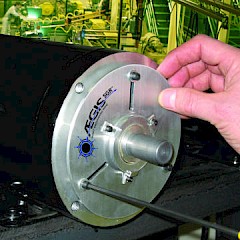
Electrostatic separators remove insoluble byproducts of thermal and oxidative oil degradation (varnish particles) and submicron hard dirt or wear particles that are too small to be removed by conventional mechanical filters. When conditions are right, they make an excellent addition to an overall contamination control strategy, bringing into balance the focus upon large particles and water with the elimination of varnish particles and silt.
Reduce Foaming with a Diffuser
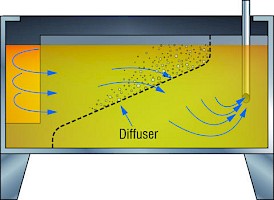
A diffuser fitted to the return line of the tank can reduce foaming and thus reduce oxidation and aeration, as well as decrease the risk of cavitation. It can also lessen the potential for varnish, erratic fluid flow, spongy hydraulics and overheating.
Keep reading