Keeping the Kiln Moving: How Application-Specific Lubrication Can Improve Kiln Tyre-Chair Pad Performance
An application-focused look at kiln tyre-chair pad lubrication, lubricant delivery and high-temperature protection.
In cement manufacturing, where kilns operate continuously under extreme thermal and mechanical conditions, the right lubrication solution can play a critical role in controlling friction, wear, and equipment reliability.
In a cement plant, few pieces of equipment are as critical to continuous production as the rotary kiln. Operating under demanding thermal and mechanical conditions, the kiln must maintain stable and reliable performance for extended periods. Even seemingly small lubrication challenges at critical interfaces can eventually translate into increased wear, temperature, vibration, and maintenance requirements.
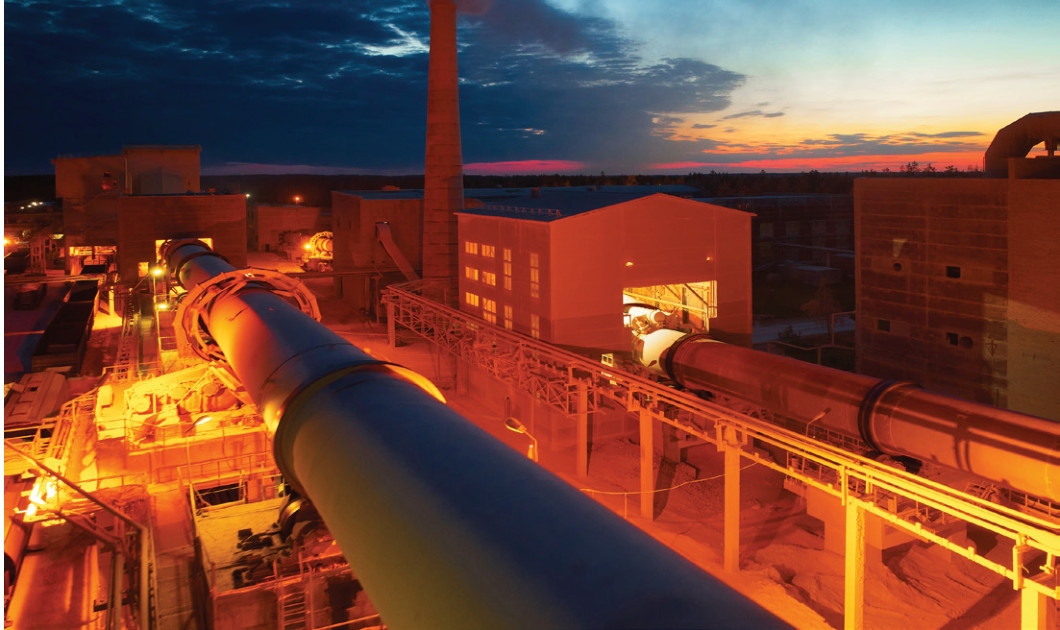
One such critical application is the kiln tyre and chair pad interface.
The interface operates under a combination of high thermal loads, continuous friction and heavy mechanical loading. Under such conditions, conventional lubrication approaches may face challenges in maintaining a stable lubricating layer and ensuring consistent lubricant delivery across the application.
For cement manufacturers, the consequences can be significant— from increased shell temperatures and metallic wear to scoring on tyre surfaces and lubrication delivery issues.
This is where application-specific specialty lubrication becomes important.
When Lubrication Becomes an Equipment Reliability Issue
Lubrication at the kiln tyre–chair pad interface is not simply about applying grease to a component. The lubricant must perform consistently under demanding operating conditions while maintaining adequate protection between contacting surfaces.
In a high-temperature environment, the lubricant needs to maintain its functional properties and form an effective lubricating layer. At the same time, the application system must be able to deliver the lubricant consistently to the required locations.
A cement manufacturing application highlighted several of these challenges.
The kiln was experiencing:
- Excessive increase in kiln shell temperatures
- Metallic wear between the tyre and chair pad
- Pumpability issues affecting lubricant delivery
- Scoring on the tyre surface
These conditions indicated that the lubrication solution needed to address multiple requirements simultaneously—not only friction and wear, but also thermal performance and application consistency.
The requirement was clear: a lubricant engineered for the application, rather than a generic solution.
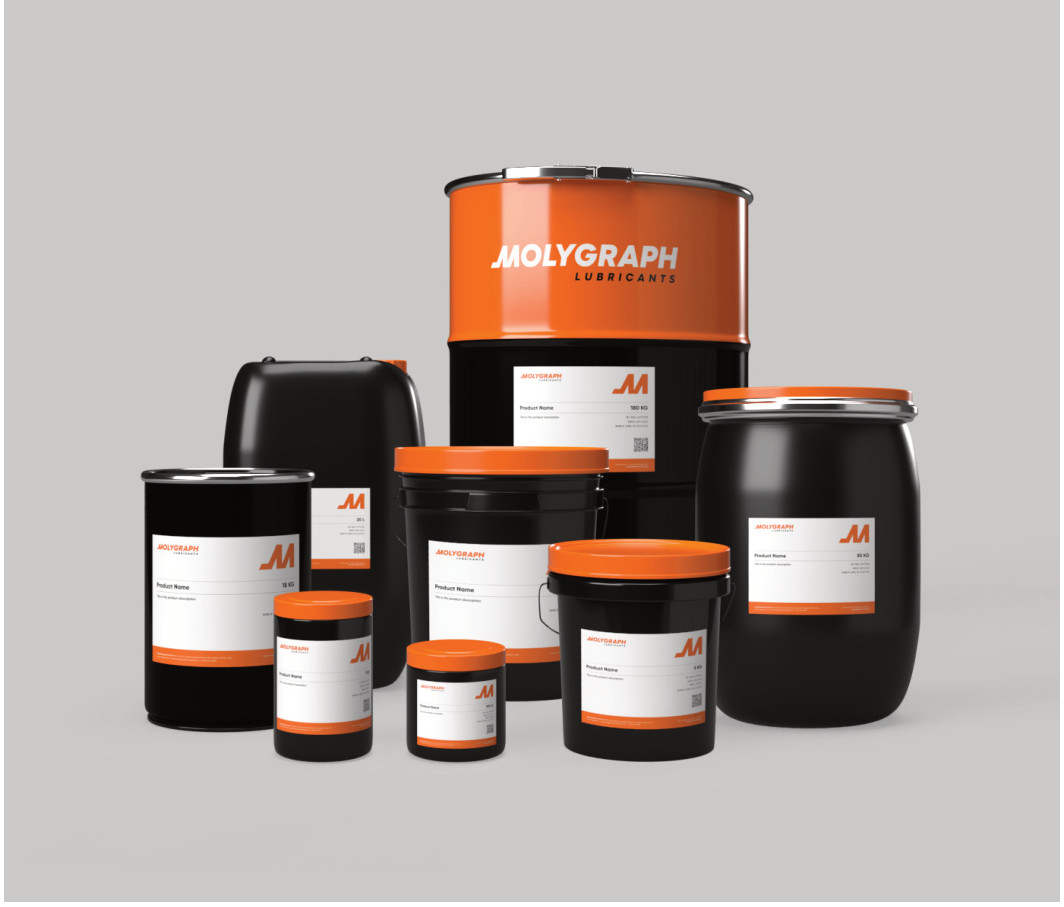
Presenting Molygraph Supraflow HT
To address these application-specific challenges, Molygraph Supraflow HT was introduced. Designed for demanding operating conditions, Supraflow HT provides protection and consistent performance where conventional lubrication can face challenges. One of its key functions in this application is its ability to form a stable, uniform solid lubricant layer even under high thermal loads.
This layer helps reduce direct metallic contact between the tyre and chair pad, thereby addressing one of the fundamental causes of wear and surface damage.
The solution was also selected with lubricant delivery in mind. Improved pumpability helped ensure more consistent application, an important consideration when lubrication needs to reach multiple chair pad sections effectively.
From Lubricant Selection to Application Performance
One of the key lessons from demanding industrial applications is that lubricant performance cannot be evaluated independently of the equipment and operating environment. The same lubricant may behave differently depending on temperature, load, speed, contact conditions, application method, and maintenance practices. Therefore, selecting the right lubricant begins with understanding the application.
In the cement industry, this becomes particularly important because equipment is expected to operate continuously while exposed to dust, high temperatures, heavy loads and demanding mechanical conditions.
Molygraph’s approach is built around understanding these operating requirements and recommending lubrication solutions accordingly. In the kiln tyre–chair pad application, the objective was not simply to introduce another grease. It was to address the specific combination of thermal load, friction, wear, surface scoring and lubricant delivery affecting the equipment.
Why the Right Lubricant Matters
For cement manufacturers, equipment reliability is directly connected to productivity. Unplanned maintenance can disrupt production schedules, increase maintenance requirements and affect the overall efficiency of the plant. This makes lubrication management an important part of preventive maintenance. However, lubrication optimization should not be viewed simply as selecting a grease with a higher temperature rating or load-carrying capability.
The complete application needs to be considered:
- What is the operating temperature?
- What loads are involved?
- What type of contact is taking place?
- How is the lubricant being delivered?
- Is the lubricant reaching all required points?
- What type of wear or surface damage is being observed?
- How frequently does the application require lubrication?
Answering these questions helps move lubrication from a routine maintenance activity towards a more structured equipment reliability strategy.
About Molygraph Lubricants
For over three decades, Molygraph Lubricants has provided innovative, high-performance lubrication solutions across a diverse range of industries, including steel, mining, cement, food processing, and power generation. Our commitment to sustainable solutions, quality, and technical support helps industrial operations worldwide drive productivity, reduce environmental impact, and enhance equipment performance. By working closely with various clients, we create customized solutions tailored to the unique demands of their industries, environments, and goals.
With an ISO-certified production process, we are dedicated to delivering consistent quality across every batch of lubricant. ISO 9001, ISO 14001, and ISO 45001 certifications underscore our commitment to quality and environmental sustainability.
To learn more about Molygraph’s range of lubricants, visit: molygraph.com
Keep reading