
Article Topic
Oil Analysis Articles
Browse 19 published oil analysis articles from the Machinery Lubrication archive.

The Importance of Oil Analysis and Particle Counting
Discover why small particles pose the biggest threat to machinery and how oil analysis and ISO 4406 particle counting prevent costly abrasive wear.
Read article
The Cholesterol Trap : Why ‘Normal’ Oil Reports Can Lead To System Heart Attacks
Avoid "system heart attacks": Learn why standard oil tests miss varnish and how MPC, RULER, and RPVOT act as a "lipid profile" for your turbine oil.
Read article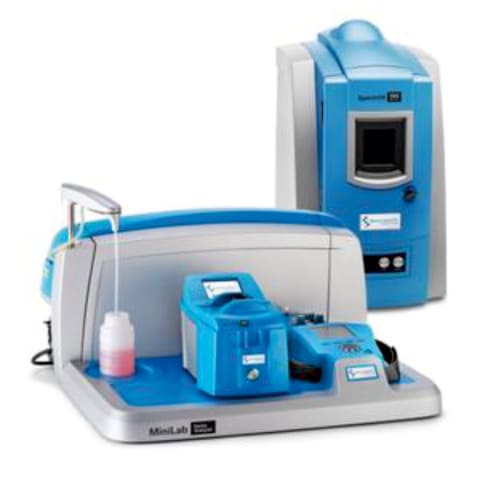
Oil Analysis Explained
Learn how to interpret oil analysis reports to verify machine health, detect contamination, and identify early signs of mechanical wear.
Read article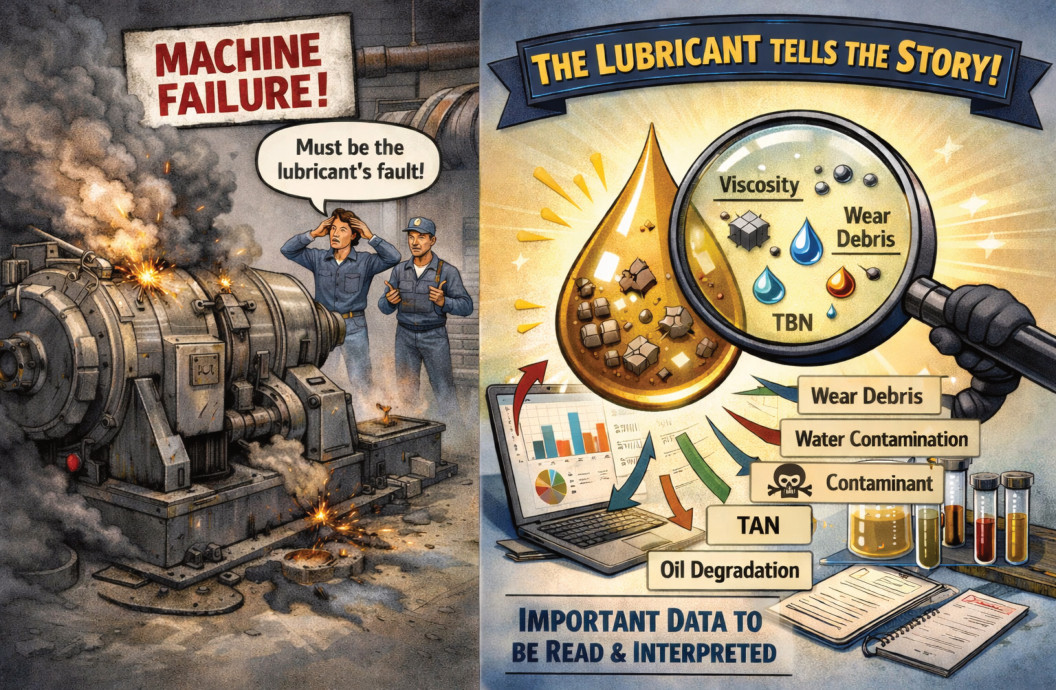
Lubricant Forensics in Machine Failure Analysis
Use lubricant evidence alongside operating data, filter inspection and wear analysis to investigate machine failures.
Read article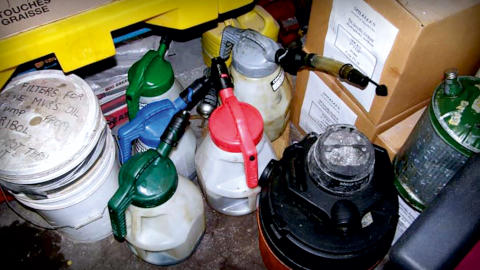
Mistakes in These 6 Areas are Sabotaging Your Lubrication Program
Improve lubrication programs with our assessment checklist. Spot common issues like contamination & training gaps. Boost equipment health & reduce downtime.
Read article
Predict Oil Useful Life with Real-Time Data
Real-time monitoring of hydraulic oil health (contamination, temp, moisture) using sensors is critical to prevent costly system failure and shift from reactive to proactive maintenance.
Read article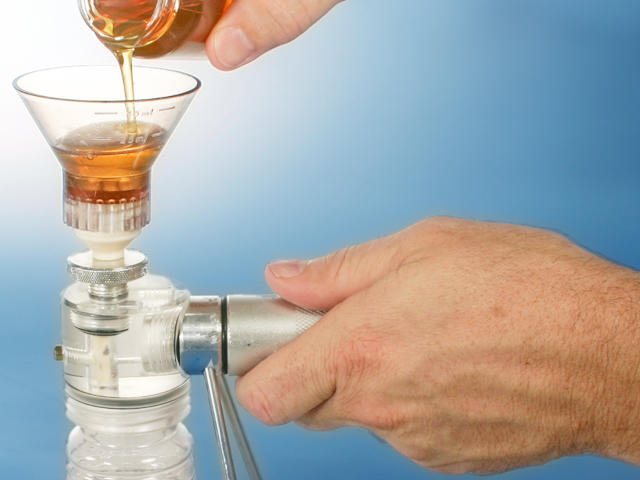
Effective Use of the Patch Test for Simple On-Site Analysis
On-site patch microscopy detects particle contamination, preventing wear, failures, and costly downtime.
Read article
What Am I Looking At: 3 Questions in Oil Analysis
Analyze oil results with precision. Three key questions: oil condition, additive health, and foreign debris. Learn from aircraft crash investigations. Read more.
Read article
Enhancing Equipment Performance: The Role of Oil Analysis and Particle Counting
Optimize equipment health with oil analysis: Monitor internal conditions, predict maintenance, and address contamination for proactive reliability.
Read article
4 Key Elements for Interpreting an Oil Analysis Report
Gain insights into common misconceptions when interpreting oil analysis reports, including understanding ppm scales, elemental analysis methods, sources of wear metals like copper, and stabilization of wear levels.
Read article
Why Scheduled Oil Changes Aren’t Enough to Mitigate Lubricant Contamination
Discover why scheduled oil changes alone aren't enough to combat lubricant contamination's costly impacts. Explore the advantages of oil analysis for proactive monitoring and maximizing equipment reliability.
Read article
A History of Oil Analysis
In this, the first of our monthly history series, we will look at the inception and rise of oil analysis. Specifically, we will be looking at the development and…
Read article
Task-Based Training: Inspecting a Bullseye Sight Glass
What Is A Bullseye Sight Glass? A bullseye sight glass is a transparent window at the oil level, typically made of glass or durable plastic, that allows users to observe oil conditions inside a…
Read article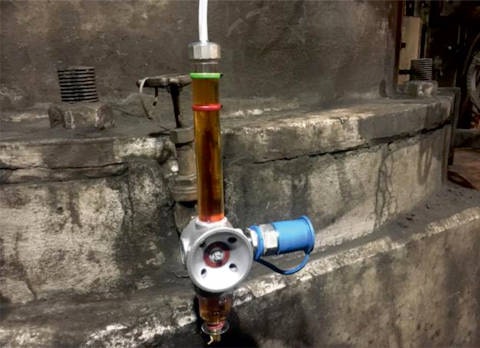
Task-Based Training | Inspecting a Columnar Level Gauge
Figure 1: A columnar level gauge filled with oil. What is a columnar level gauge? A columnar level gauge is a type of sight glass. It is a tube made of clear material that, when installed on a…
Read article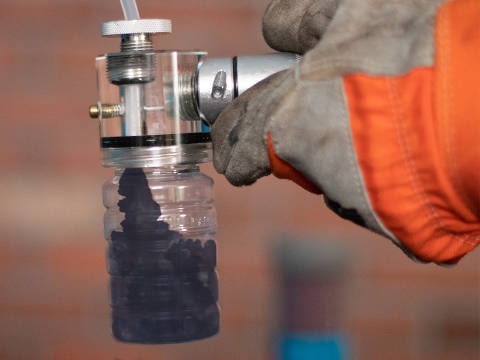
Dispersancy Testing
Soot is the by-product of incomplete combustion in diesel engines and, as I see it, one of the least understood in oil analysis. Soot can accumulate in the engine oil over time and is one of the…
Read article
Complete Guide to Lubricant Deposit Characterization
“One tends to look at the color of a deposit and assume that, since it is brown, it must be the same as the brown sample previously observed.” The current practice for the users of industrial…
Read article
Deficiencies of membrane patch colorimetry (MPC) test: The Varnish Potential Test
“The high solubility of varnish at different lubricant temperatures makes varnish contamination a complicated problem to tackle.” API Group II oils have been commonly used in gas turbines during…
Read article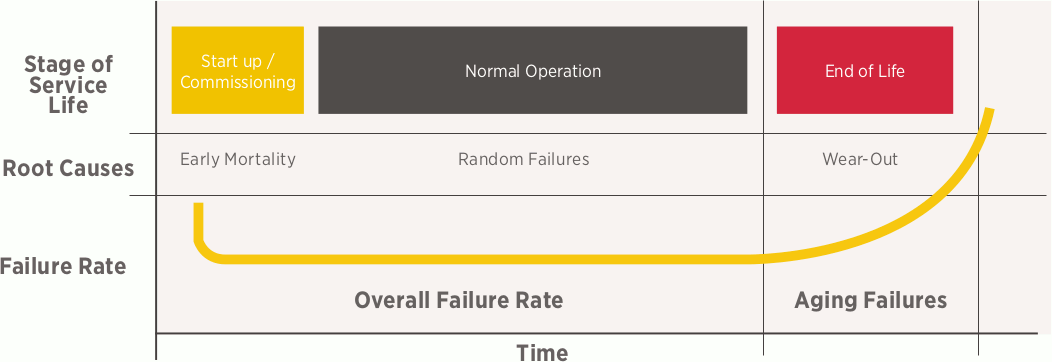
The Bathtub Curve Applied To Gearbox Oil Analysis What happens in the aging failure zone?
“The high solubility of varnish at different lubricant temperatures makes varnish contamination a complicated problem to tackle.” In recent years, the term “industrial revolution” has taken on new…
Read articleCondition Monitoring of Gear through Oil Analysis
Laboratory Analysis … There are many test methods available to provide information about the condition of the lubricant in service of a gear box. The basic oil analysis should include the…
Read article